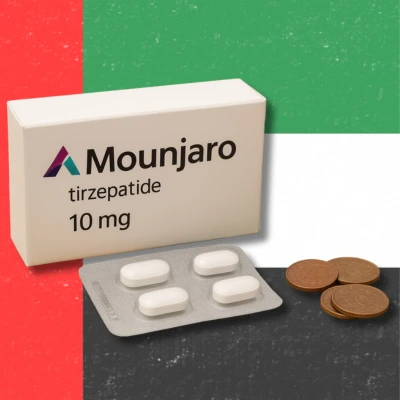


Mounjaro is a once-weekly injectable medication used for type 2 diabetes management and, under medical supervision, for weight loss. Unlike traditional weight-loss treatments, it works by targeting two natural hormones — GLP-1 and GIP — to suppress appetite and support fat metabolism. Here’s what makes it different, and why demand for it has grown so quickly.
How Mounjaro Works
Mounjaro reduces hunger and helps you feel fuller for longer by slowing how quickly your stomach empties. Its dual-agonist action — activating both GLP-1 and GIP receptors — is what produces its significant weight-loss results in clinical studies.
For a full breakdown of the mechanism, dosages, and candidacy, see our complete Mounjaro treatment guide.
Before Starting Mounjaro
A consultation is required before starting treatment to check whether you:
- Have a history of stomach conditions such as gastroparesis (slow stomach emptying) or other digestive issues
- Have a history of diabetic retinopathy
- Are pregnant, or planning to become pregnant
- Are using hormonal birth control while on Mounjaro
How Mounjaro Is Used
- One injection per week, on the same day each week
- Prescribed alongside lifestyle changes such as diet and exercise
- Treatment starts at a low dose for the first 4 weeks and is increased gradually by your doctor
- Can be taken at any time of day, with or without food
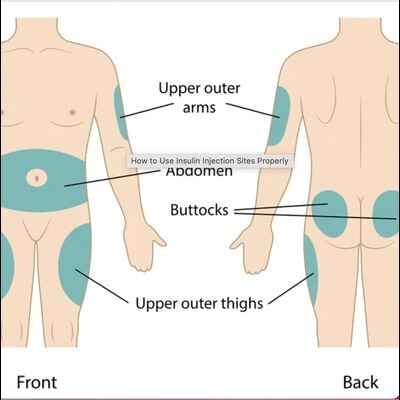
- Injected under the skin in the thigh, abdomen, or upper arm
- Maximum weekly dose is 15 mg
- Pens can be stored at room temperature for up to 21 days
Precautions
Missed a dose? Take it as soon as possible if it’s within 96 hours (4 days) of your scheduled time. If more than 4 days have passed, skip that dose and resume your normal weekly schedule — do not double up.
Medical supervision: Mounjaro is prescription-only. A doctor’s consultation is required before starting and throughout treatment.
Typical Dose Progression
Dosage is adjusted gradually by your doctor based on how you respond to treatment. A typical progression looks like this:
| Timeframe | Dosage |
|---|---|
| 1st month | 2.5 mg |
| 2nd month | 5 mg |
| 3rd month | 7.5 mg |
| 4th month | 10 mg |
| 5th month | 12.5 mg |
| 6th month and onwards | 15 mg (maximum dose) |
👉 Actual progression varies by individual and is determined by your doctor.
Why Demand for Mounjaro Has Grown
Exceptional weight-loss outcomes
Clinical studies have shown weight loss of up to 20% of body weight — results that approach those seen with bariatric surgery, without the surgical risk. While approved for diabetes management, many patients without diabetes seek it off-label for weight loss under medical guidance.
Dual benefit for metabolic health
With rising global rates of obesity and type 2 diabetes, Mounjaro is in high demand because it addresses both conditions with a single weekly treatment — a major reason for the supply shortages seen in some markets.
Outperforms earlier options
Compared with earlier GLP-1 receptor agonists, Mounjaro’s dual-hormone action has shown stronger results for both weight reduction and blood sugar control in clinical trials.
Where to Inject Mounjaro
Mounjaro can be safely injected into any area of the body with adequate fatty tissue. The most commonly recommended sites are the lower abdomen, the back of the upper arm, and the front of the thigh. Rotate the injection site each week to reduce irritation.
Your Weekly Step Toward Better Health
Ready to learn if Mounjaro is right for you? Book a consultation at Esthetic Clinic Dubai to get a personalized assessment and treatment plan
✔ Medically reviewed by the Esthetic Clinic Medical Team.