Written by Estheticlinic Medical Content Team
Medically Reviewed by Dr. Shaziya Kalam, MBBS,
Specialist Dermatology (DHA License No. 62929125-001)
Last Reviewed: 03 July 2026
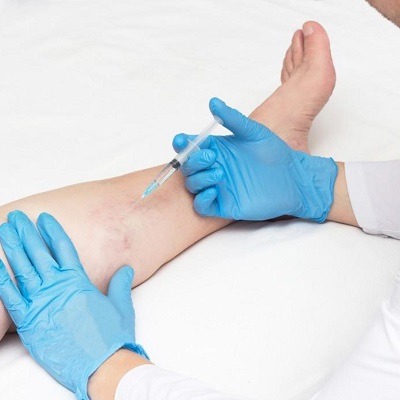
Healthy blood circulation is the foundation of a healthy body. When your arteries or veins become blocked, narrowed, or weakened, it can disrupt blood flow and lead to pain, swelling, and potentially serious health complications. Vascular Surgery in Dubai & Abu Dhabi offers advanced solutions to diagnose and treat vascular conditions, helping restore proper circulation and protect your long-term health.
At Esthetic Clinic, our experienced vascular specialists combine advanced technology with personalized care to deliver safe and effective treatment tailored to your needs. From minimally invasive procedures to complex vascular surgeries, we are committed to improving circulation, relieving symptoms, and helping you return to a healthier, more active lifestyle.
Quick Facts About Vascular Surgery:
Procedure: Vascular Surgery
Purpose: Treats diseases affecting arteries and veins
Treatment Type: Surgical & Minimally Invasive
Anesthesia: Local, Regional, or General
Procedure Duration: 1–4 Hours (Depending on the Condition)
Recovery Time: Few Days to Several Weeks
Cost: Starts from AED 10,000*
What Is Vascular Surgery?
Vascular surgery is a specialized branch of medicine that treats conditions affecting the arteries, veins, and lymphatic vessels. These conditions can interfere with normal blood circulation, leading to pain, swelling, ulcers, and, in severe cases, limb-threatening or life-threatening complications.
Depending on your diagnosis, treatment may involve lifestyle changes, medication, minimally invasive procedures, or surgical intervention. The primary goal is to restore healthy circulation, prevent complications, and help patients maintain long-term vascular health.
Conditions Treated with Vascular Surgery:
Vascular surgeons diagnose and treat a wide range of circulatory disorders, including:
- Peripheral artery disease (PAD)
- Varicose and spider veins
- Deep vein thrombosis (DVT)
- Aneurysms
- Carotid artery disease
- Chronic venous insufficiency
- Blocked or narrowed arteries
- Diabetic vascular complications
- Leg ulcers caused by poor circulation
Early diagnosis and treatment can significantly reduce the risk of complications and improve recovery outcomes.
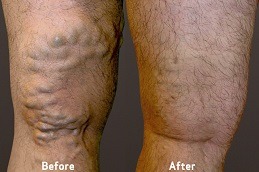
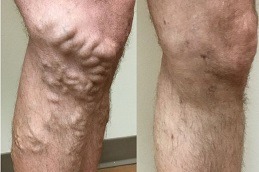
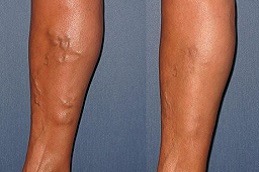
Vascular Surgery Before & After Results:



Symptoms That May Indicate a Vascular Condition:
Many vascular diseases develop gradually, making early symptoms easy to overlook. You should consult a vascular specialist if you experience:
- Persistent leg pain while walking or exercising
- Swelling in the legs, ankles, or feet
- Numbness or tingling in the limbs
- Bulging or twisted veins
- Slow-healing wounds or ulcers
- Skin discoloration or changes in skin temperature
- Cold feet or hands
- Leg heaviness, fatigue, or cramping
- Sudden weakness or reduced blood circulation
Prompt medical attention can help prevent the progression of vascular disease.
Who Is an Ideal Candidate for Vascular Surgery?
You may be a suitable candidate for vascular surgery if you:
- Have been diagnosed with a vascular disease.
- Experience symptoms that affect your daily activities.
- Have poor circulation that does not improve with conservative treatments.
- Are suffering from aneurysms, blocked arteries, or severe varicose veins.
- Are in generally good health and medically fit for surgery.
- Have realistic expectations regarding treatment outcomes.
- Are committed to following post-treatment instructions for optimal recovery.
A consultation with a vascular surgeon is essential to determine the most appropriate treatment option.
Consultation and Diagnosis:
Your journey begins with a comprehensive consultation. During your appointment, the vascular specialist will review your medical history, discuss your symptoms, and perform a physical examination.
Additional diagnostic tests may include:
- Doppler ultrasound
- CT angiography
- MR angiography
- Blood circulation studies
- Vascular imaging
These investigations help identify the exact location and severity of the problem, allowing the surgeon to create a customized treatment plan based on your individual needs.
Types of Vascular Surgery:
The recommended treatment depends on the underlying condition and its severity. Common vascular procedures include:
Angioplasty and Stenting:
A minimally invasive procedure used to widen narrowed arteries with a small balloon. In many cases, a stent is inserted to keep the artery open and maintain healthy blood flow.
Sclerotherapy:
This non-surgical treatment is commonly used for spider veins and small varicose veins. A specialized solution is injected into the affected vein, causing it to collapse and gradually fade.
Endovenous Laser Treatment (EVLT):
Laser energy is used to seal damaged veins from within, providing an effective treatment for varicose veins with minimal discomfort and downtime.
Vein Surgery:
In more advanced cases of varicose veins, the damaged vein may be surgically removed or tied off to restore healthy circulation and relieve symptoms.
Aneurysm Repair:
Large or high-risk aneurysms may require surgical repair to prevent rupture and protect the patient’s health.
What Happens During the Procedure?
The exact procedure varies depending on your condition and treatment plan. Most vascular procedures are performed under local, regional, or general anesthesia.
The surgeon carefully accesses the affected blood vessel using either minimally invasive techniques or a small surgical incision. Advanced instruments are used to repair, remove, or bypass the damaged vessel while preserving healthy surrounding tissues.
After completing the procedure, the incision is closed, and the patient is monitored during recovery before being discharged with detailed aftercare instructions.
Recovery After Vascular Surgery:
Recovery depends on the type of procedure performed and your overall health. Minimally invasive treatments usually require little downtime, while complex surgeries may involve a short hospital stay.
During recovery, patients are advised to:
- Take prescribed medications as directed.
- Keep the surgical site clean and dry.
- Wear compression stockings if recommended.
- Avoid strenuous physical activities during healing.
- Walk regularly to improve circulation.
- Attend all scheduled follow-up appointments.
Following your surgeon’s advice helps promote faster healing and reduces the risk of complications.
Benefits of Vascular Surgery:
Modern vascular surgery offers numerous health benefits, including:
- Improved blood circulation
- Reduced pain and discomfort
- Relief from leg swelling and heaviness
- Faster healing of vascular ulcers
- Lower risk of stroke and limb complications
- Better mobility and daily function
- Minimally invasive treatment options for many conditions
- Improved long-term vascular health and quality of life
Cost of Vascular Surgery in Dubai:
The cost of Vascular Surgery in Dubai & Abu Dhabi varies depending on several factors, including the type of procedure, the complexity of the condition, the surgeon’s expertise, hospital facilities, and diagnostic tests required.
On average, treatment costs typically range between AED 10,000 and AED 25,000. Following a consultation and detailed assessment, your specialist will provide a personalized treatment plan along with an accurate cost estimate.
Why Choose Esthetic Clinic in Dubai?
At Esthetic Clinic, patient safety, advanced medical care, and successful outcomes are our highest priorities. Our experienced vascular specialists use modern technology and evidence-based treatment techniques to deliver personalized care for every patient.
From your initial consultation to your final follow-up appointment, our dedicated team is committed to providing compassionate support, accurate diagnosis, and effective treatment in a comfortable clinical environment. We believe every patient deserves individualized care designed to restore vascular health and improve overall well-being.
FAQs About Vascular Surgery
How long does Vascular Surgery take?
Most vascular surgery procedures are completed within 1 to 4 hours.
Is Vascular Surgery painful?
No, the procedure is performed under anesthesia, with only mild discomfort during recovery.
What is the recovery time after Vascular Surgery?
Recovery typically ranges from a few days to several weeks, depending on the procedure.
What conditions can Vascular Surgery treat?
It treats blocked arteries, varicose veins, aneurysms, deep vein thrombosis (DVT), and other vascular conditions.
What are the Benefits of Vascular Surgery?
It improves blood circulation, relieves symptoms, and helps prevent serious vascular complications.
How can I book a Vascular Surgery consultation?
You can book a consultation by contacting Esthetic Clinic or submitting an online appointment request.
Schedule Your Consultation Today
Take control of your vascular health with expert care at Esthetic Clinic. Schedule your consultation for Vascular Surgery in Dubai & Abu Dhabi and receive a personalized treatment plan to restore healthy blood flow and improve your quality of life.